Celebrating Five Decades of Inspiration: The NASA Goddard Visitor Center Story
For 50 years, the NASA Goddard Visitor Center in Greenbelt, Maryland, has been a gateway to the cosmos, sparking curiosity and nurturing future generations of explorers. Established in May 1976 amidst bicentennial celebrations, the center has evolved from an open-air pavilion into a dynamic hub of space science education. Its journey from a former Bureau of Standards radio station to a modern visitor attraction is a testament to NASA's enduring commitment to public engagement.
When and how did the Goddard Visitor Center first open its doors?
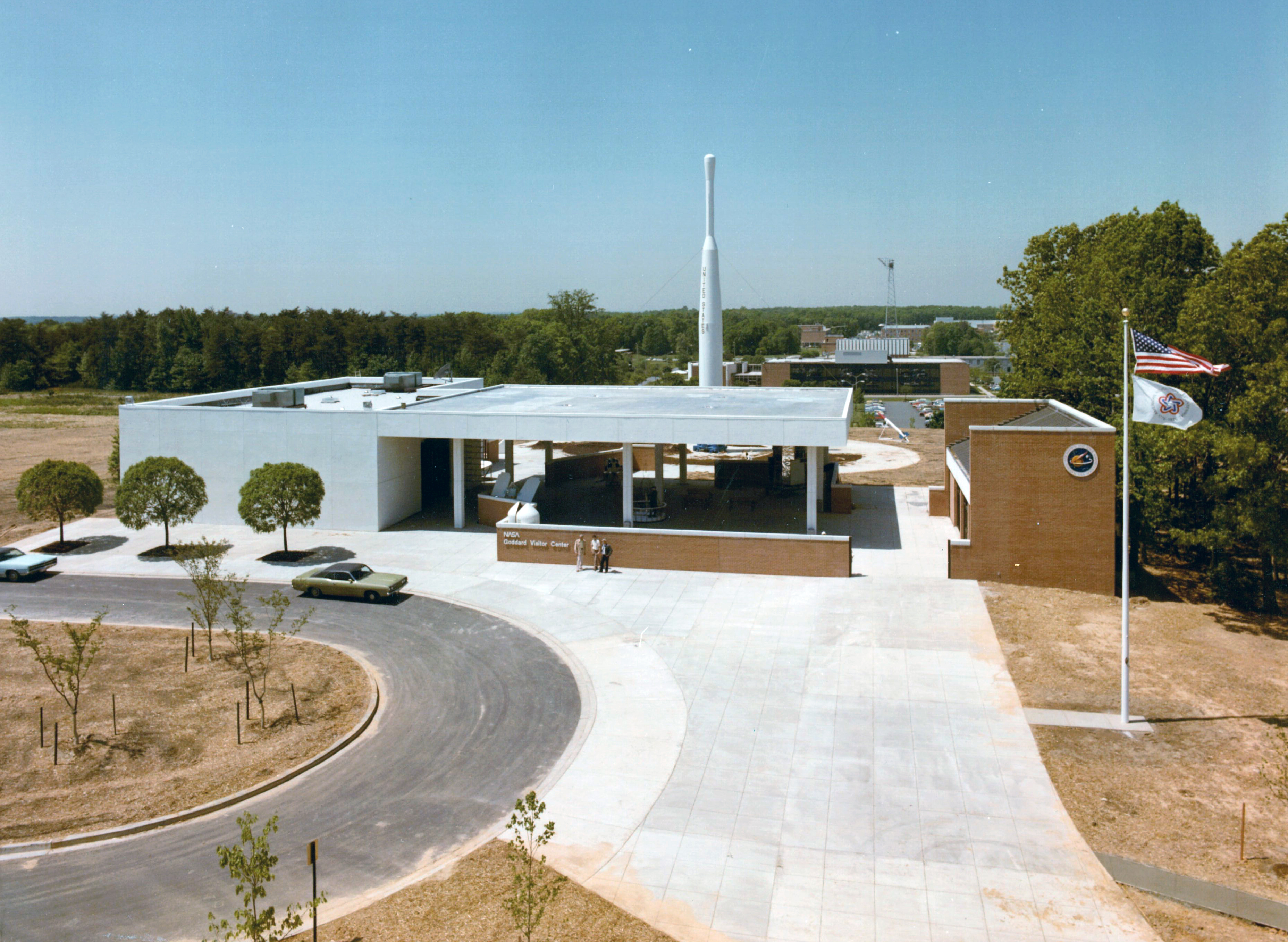
The Goddard Visitor Center began welcoming visitors in May 1976, just a few weeks before the Smithsonian’s National Air and Space Museum in Washington, D.C. The opening was a bicentennial-themed event, complete with a unique ribbon-cutting ceremony. Instead of using traditional gilded scissors, officials reenacted Dr. Robert Goddard’s first rocket launch to snap the ribbon. The center initially featured an open-air layout, allowing guests to experience exhibits under the sky. Dr. John Clark, then NASA Goddard’s center director, provided opening remarks. The site itself had a previous life: it was originally the Bureau of Standards' WWV radio station, which relocated to Colorado before NASA converted the structure for facilities storage and later into the visitor center.
What were some of the original exhibits when the center opened?
The early exhibits at the Goddard Visitor Center were designed to showcase NASA's groundbreaking work. A full-scale mockup of the Orbiting Astronomical Observatory (OAO) was on display—a precursor to the Hubble Space Telescope. The OAO program demonstrated the potential of space-based astronomy. Another interactive exhibit featured a phone station that allowed visitors to send their voices on a 45,000-mile round trip via the Applications Technology Satellite-3 (ATS-3), demonstrating satellite communications. Additionally, an active meteorology station provided real-time satellite views of weather across the Western Hemisphere. These hands-on experiences helped the public connect directly with NASA's mission and technology.
How has the center's building changed over time?
The building that houses the Goddard Visitor Center has a rich history. In 1966, the site was occupied by the Bureau of Standards' WWV radio station, which broadcast time and frequency signals. After that station moved to Colorado, NASA Goddard used the structure for storage before embarking on a major conversion. The visitor center opened in 1976 with a largely open-air design, but subsequent renovations enclosed the space to accommodate more exhibits and modern amenities. This evolution reflects NASA's adaptability and growing emphasis on public outreach. Today, the facility offers climate-controlled galleries, theater spaces, and educational areas while retaining its original charm.
What is the story behind the Delta-B rocket on display?
One of the most iconic outdoor exhibits at the Goddard Visitor Center is the Delta-B rocket, originally displayed at the 1964 New York World's Fair. NASA Goddard managed the highly successful Thor-Delta program throughout the 1960s and '70s, which launched many scientific and communication satellites. The rocket stands as a symbol of America's early space achievements. A keen eye in a 1978 photograph even spots a small model rocket just taking flight beside the real thing—a nod to the center's long tradition of model rocket launches. These launches remain a mainstay, now typically held on the first Saturday of each month, inspiring young rocketeers.
Why is public outreach a core part of NASA's mission?
According to NASA Goddard Center Director Cynthia Simmons, “NASA’s 1958 charter tasks us with sharing our work as broadly as we can.” The visitor centers at Greenbelt, Maryland, and Wallops Flight Facility in Virginia are essential to fulfilling that mandate. They foster the next generation of space explorers by making science accessible and exciting. For 50 years, the Goddard Visitor Center has engaged millions of visitors through exhibits, model rocket launches, and educational programs. It serves as a bridge between complex space research and public understanding, ensuring that the wonder of exploration is shared with everyone.
How does the center continue to inspire visitors today?
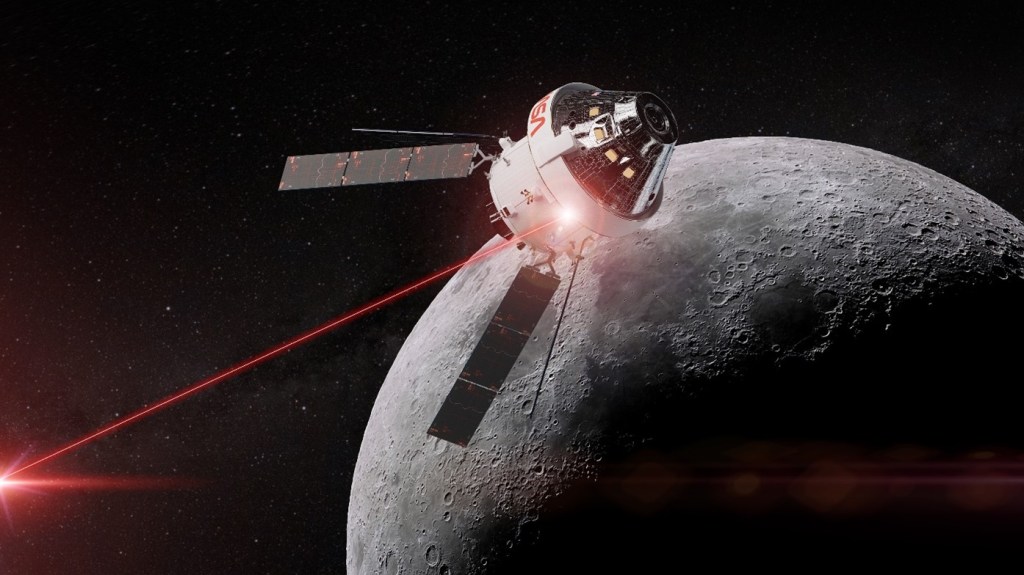
Half a century after its debut, the Goddard Visitor Center remains a vibrant educational resource. It features updated exhibits on the past, present, and future of space exploration, including interactive simulations, models of current satellites, and displays about NASA's Artemis program. Regular events like model rocket launches (first Saturday of the month) and STEM workshops keep engagement high. The center also offers virtual tours and online resources, expanding its reach beyond physical visitors. By blending history with cutting-edge science, it continues to spark curiosity in audiences of all ages—proving that the spirit of discovery is timeless.
Related Articles
- How Coffee Reshapes Your Gut and Brain: A Practical Guide to Harnessing Its Benefits
- Preparing the Clean Room: How HEPA Modules Arrive and Integrate for the Roman Space Telescope
- How NASA Prepares the Roman Space Telescope: A Step-by-Step Guide to Clean Room Equipment Installation
- How to Examine Declassified Apollo 12 Moon Images for Unexplained Phenomena
- Semantic Search vs Traditional Search: Qdrant Expert Breaks Down the Key Differences and Future Applications
- April 2026 Update: VS Code Python Environments Extension Boosts Speed and Reliability
- Seattle's Hidden Faults: A Q&A on Recent Findings
- Hidden Brain Nutrient Deficit Identified as Potential Driver of Anxiety Disorders