LIRR Strike Resolved: What It Means for Commuters and the Future
The Long Island Rail Road (LIRR) strike, which shut down the busiest commuter rail system in the United States, came to an end late Monday night after a deal was reached between the Metropolitan Transportation Authority (MTA) and five labor unions. The walkout began at 12:01 a.m. Saturday, affecting approximately 250,000 daily commuters who rely on the LIRR to travel between New York City and its eastern suburbs. Limited train service was slated to resume around noon on Tuesday, with full service expected by the evening rush. While commuters faced a tough morning commute on Tuesday, relief is on the horizon. This Q&A breaks down the key details of the strike, its resolution, and what it means for riders and transit workers.
What Caused the LIRR Strike?
The strike stemmed from a breakdown in contract negotiations between the MTA and five unions representing about half of the LIRR workforce, including locomotive engineers, machinists, and signalmen. Talks had been ongoing since 2023 but stalled over two primary issues: salaries and healthcare costs. The unions argued that workers needed significant raises to keep pace with inflation and the rising cost of living in the New York City metropolitan area. The MTA countered that the unions’ initial demands would inevitably lead to fare increases for riders and set a difficult precedent in negotiations with other transit unions. After months of impasse, the unions voted to walk out, marking the first LIRR strike since a two-day stoppage in 1994.
When Did Train Service Resume?
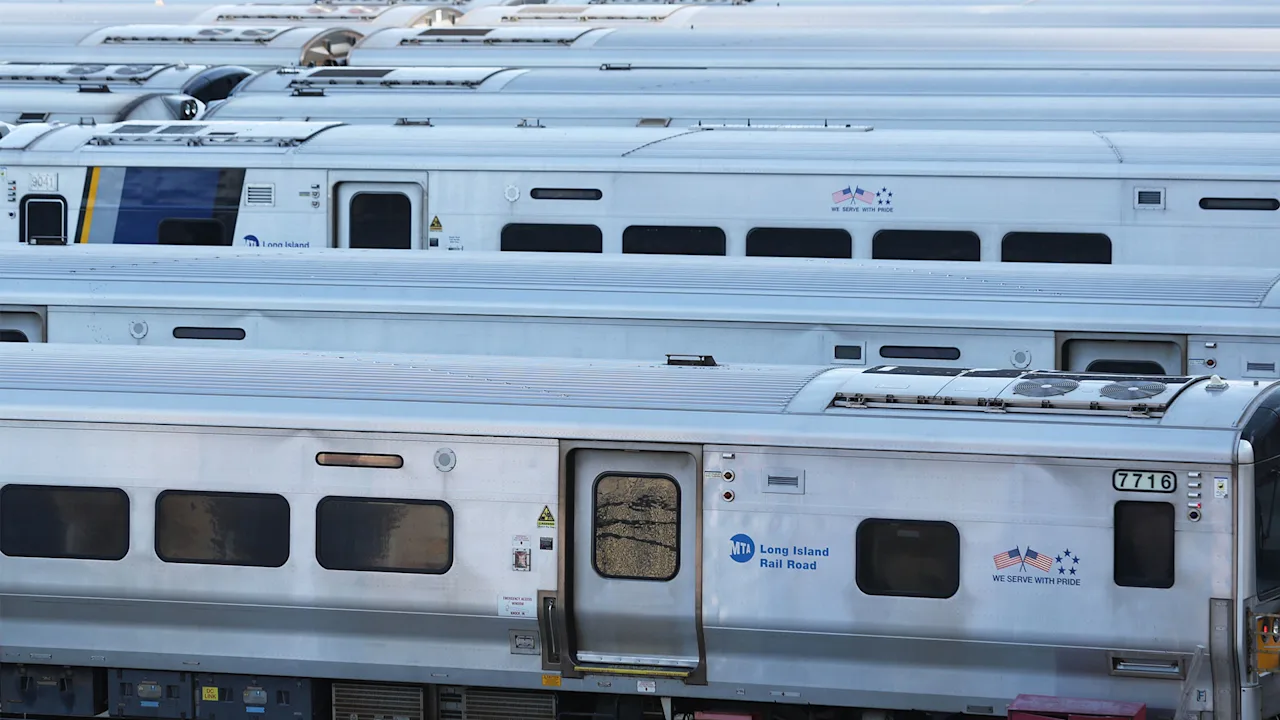
Limited service resumed around noon on Tuesday, with full service expected to be in place by the evening rush hour. The MTA urged riders to work from home if possible on Tuesday and arranged for shuttle buses from select Long Island locations to New York City subway stations as a temporary alternative. The agreement was reached late Monday night, but because trains and crews needed time to be repositioned and systems checked, trains could not run in time for the morning commute. By Tuesday afternoon, most riders were expected to have full access to the LIRR network, easing the strain for those returning from work.
How Did Commuters Cope During the Strike?
Commuters faced significant disruptions over the weekend and into Monday. For example, Hallie Kessler, a 24-year-old speech therapist from Long Island, spent three hours commuting home from her job in Queens on Monday. Many riders turned to carpools, buses, and alternative rail services. The strike also affected events: baseball fans had to find other ways to get to Citi Field for the Mets-Yankees series. Governor Kathy Hochul noted that the deal ensured basketball fans heading to Madison Square Garden for the Knicks’ playoff game on Tuesday night would have normal train service. While the strike caused hardship, most commuters expressed relief that it ended quickly, though some remained curious about future fare implications.
What Are the Key Terms of the Agreement?
Specific details of the contract have not been fully disclosed because union members still need to vote on and ratify the deal. However, Governor Kathy Hochul and MTA officials confirmed that the agreement will not lead to fare increases or tax hikes. It is designed to provide “fair wages” to unionized workers without imposing additional costs on commuters. The unions had pushed for raises to offset inflation, and the MTA likely agreed to some wage adjustments while holding the line on healthcare contributions. The deal also signals that the MTA is willing to address worker concerns without triggering a broader transit strike. Full terms will be released after the ratification vote, which is expected in the coming weeks.
Will Fares Increase as a Result of This Deal?
Governor Hochul explicitly stated that the deal will not increase fares or taxes. This is a significant assurance for the roughly 250,000 daily LIRR riders who were already worried about affordability. The MTA had previously warned that acceding to union demands could force fare hikes, but the final negotiated terms apparently avoided that scenario. The MTA may have found savings elsewhere or structured the wage increases to be phased in without triggering a fare adjustment. Riders should still keep an eye on future MTA board meetings for any proposed changes, but for now, the price of a ticket remains unchanged. The governor’s commitment also helps protect her re-election prospects by avoiding a political backlash from suburban commuters.
How Does This Strike Compare to Past LIRR Walkouts?
The 2024 strike lasted just over three days, from Saturday morning until late Monday night. The only comparable walkout in LIRR history was a two-day strike in 1994, which similarly disrupted service for hundreds of thousands of commuters. That 1994 strike ended with a contract that included wage increases and changes to work rules. The quick resolution in 2024 suggests both sides were motivated to avoid a prolonged disruption, especially given the ongoing economic pressures and the importance of the LIRR for daily travel. The MTA and unions have a history of contentious negotiations, but the relatively short duration of this strike indicates that a compromise was reached more swiftly than many anticipated.
What Happens Next for LIRR Riders and Workers?
With service restored, the immediate focus is on the union ratification vote. Workers will review the full contract and cast their ballots; if approved, the deal will be in effect for several years. Riders can expect normal operations going forward, though the MTA advises checking service updates for any residual delays. The strike highlighted the fragile nature of transit labor relations, and both sides will likely begin planning for the next round of negotiations sooner rather than later. For now, commuters like Hallie Kessler can breathe easier, and the Knicks fans heading to Madison Square Garden Tuesday night won’t have to worry about missing the tip-off. The LIRR remains a vital artery for New York’s suburbs, and this resolution helps keep that connection running smoothly.
Related Articles
- Securing Your cPanel Server Against Critical Authentication Flaws: A Step-by-Step Update Guide
- Launchpad Gets a Modern Makeover: Canonical Begins Redesigning Ubuntu's Development Platform
- 10 Reasons Why Google's Decision to Skip Liquid Glass on Pixels Is a Win for Android Users
- Breaking: Ubuntu 26.04 LTS ‘Resolute Raccoon’ Debuts With Sweeping Upgrades and Feature Deprecations
- Safari Technology Preview 241: Apple Addresses Critical Accessibility Bugs and Ships CSS Scroll Anchoring
- 6 Fascinating Insights into the Roman Elite Woman Buried with Exotic Resins in Colchester
- Unlocking Mac AI: A Step-by-Step Guide to Perplexity's Personal Computer Platform
- Airbnb's Privacy-First Identity Overhaul: How Context-Aware Profiles Protect User Data