Tim Cook's Two Decades at Apple: From Operations Expert to Trillion-Dollar CEO
Introduction: The Man Behind Apple's Growth
When Tim Cook took the helm at Apple in 2011, he inherited a tech giant revered for its innovative products. But unlike his predecessor, Steve Jobs, Cook was not known as a product visionary. Instead, he was a supply chain expert with a quiet demeanor. Yet during his tenure, Apple’s market value soared by trillions, making him one of the most financially transformative CEOs in corporate history. This article explores how Cook joined Apple, navigated the company through critical transitions, and ultimately reshaped its culture and business model.
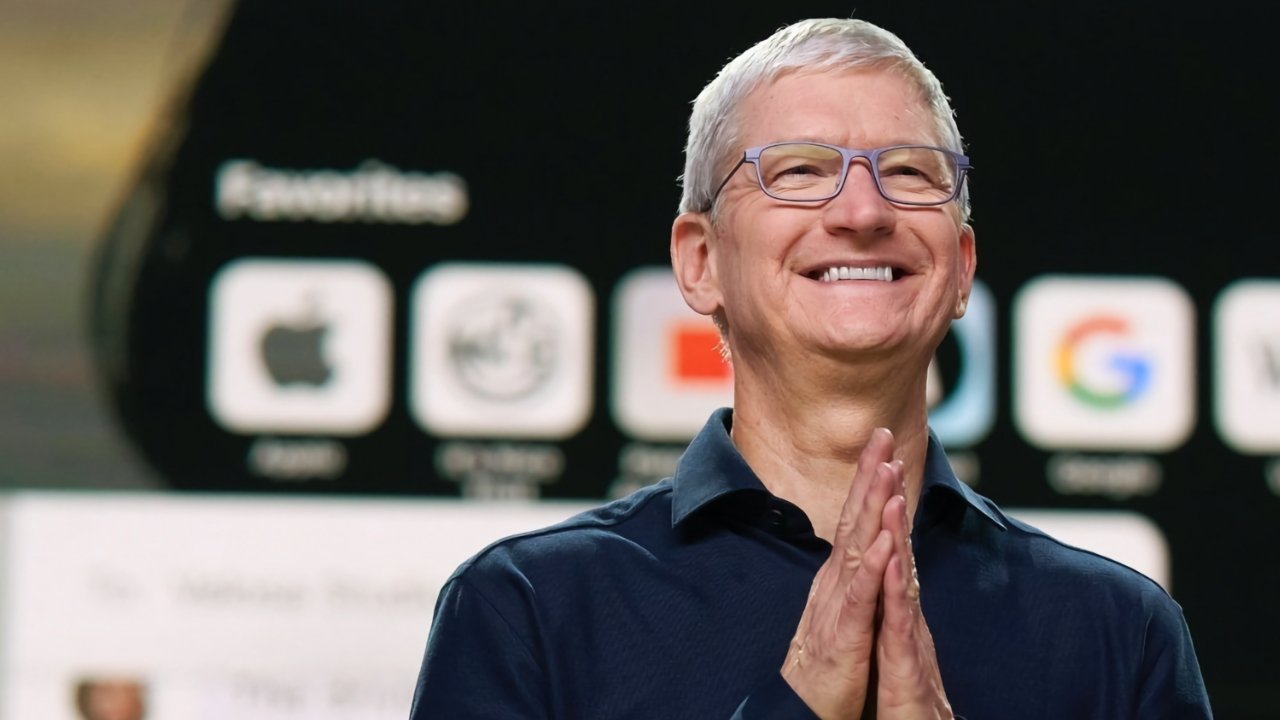
Early Days at Apple: The Operations Mastermind
Tim Cook joined Apple in 1998 as senior vice president for worldwide operations. At the time, Apple was struggling with inefficient supply chains and bloated inventories. Cook, a former Compaq executive, quickly implemented just-in-time manufacturing and streamlined logistics—moves that reduced costs and improved reliability. His operational prowess caught the attention of Steve Jobs, who eventually promoted him to chief operating officer. By the time Jobs stepped down, Cook had already earned a reputation for turning Apple’s back-end processes into a competitive advantage.
The Transition to CEO: A Different Kind of Leader
When Cook became CEO in August 2011, many wondered if he could fill Jobs’ shoes. He was a businessman, not a designer, and he lacked the charismatic showmanship that defined Apple’s product launches. But Cook brought his own strengths: a focus on operational efficiency, a more inclusive leadership style, and a willingness to engage with social and political issues. Unlike his predecessors, Cook also had to navigate an increasingly complex regulatory environment, both in the U.S. and abroad.
A Politician in the Boardroom
Perhaps the most surprising shift was Cook’s emergence as a corporate politician. He testified before Congress, dealt with trade tensions between the U.S. and China, and even spoke out on issues like privacy and immigration. This was a departure from Jobs, who rarely engaged in political debates. Cook’s diplomatic skills helped Apple maintain its global footprint while avoiding major controversies.
Product Under Cook: The Services Era
While Cook didn’t introduce a product as revolutionary as the iPhone, he oversaw the expansion of Apple’s ecosystem. The company launched the Apple Watch, AirPods, and services like Apple Music, Apple TV+, and iCloud. Under Cook, Apple also invested heavily in augmented reality, artificial intelligence, and health technology. Revenues from services grew to over $80 billion annually, making them a second pillar of the company’s income, alongside hardware sales.
Financial Growth: Trillions in Value
Under Cook’s leadership, Apple became the first publicly traded U.S. company to reach a $1 trillion market cap in 2018, and later $2 trillion. By 2023, the company’s valuation had fluctuated but remained above $2.7 trillion at peak. This growth was driven not just by product sales but by aggressive share buybacks, margin improvements, and international expansion—especially in China and India.

Comparisons to Steve Jobs: A Matter of Legacy
Historians will debate whether Cook was “better” than Jobs, but the metrics tell a clear story. Jobs built Apple’s iconic products; Cook built Apple’s enduring business. Jobs was a visionary; Cook is a stabilizer. Yet both were essential. Without Cook’s operational rigor, many of Jobs’ products might never have been profitable. Without Jobs’ design ethos, Cook’s Apple might have lost its creative edge. The company’s success under both leaders suggests that a blend of vision and execution is what truly matters.
What the Future Holds: Cook’s Departure and Beyond
As Apple celebrates its 50th anniversary, Cook’s tenure is likely nearing its end. He has hinted at succession planning, and internal candidates like Jeff Williams or John Ternus are seen as potential successors. Cook’s legacy will be that of a CEO who transformed Apple from a product-led company into a diversified technology conglomerate. He also pushed for environmental sustainability, employee diversity, and user privacy—issues that will define the company’s future.
Learn more about Tim Cook’s early career or explore Apple’s product evolution under his leadership.
Conclusion: The Businessman Who Changed Apple
Tim Cook was never meant to be another Steve Jobs. He was a supply chain expert turned CEO, a politician in a boardroom, and the architect of Apple’s financial juggernaut. While he may not be remembered for inventing the next iPhone, he will be remembered for ensuring that Apple’s dreams were profitable, sustainable, and responsibly managed. In doing so, he grew the company by trillions of dollars and set a new standard for what a tech CEO can be.
Related Articles
- Building a Team Learning Loop from AI Development Sessions
- Navigating the Coursera-Udemy Merger: A Comprehensive User Guide
- Coursera and Udemy Merger: What You Need to Know
- Coursera and Udemy Complete Landmark Merger, But Learners See No Immediate Changes
- Microsoft and Coursera Launch 11 New Professional Certificates in AI, Data, and Software Development
- Human Expertise: The Key to Unlocking AI's Full Potential in 2025
- How Grafana Assistant Pre-Learns Your Infrastructure for Faster Incident Response
- Uncovering a Hidden ClickHouse Bottleneck Behind Cloudflare's Slow Billing Pipeline