ChatGPT Pro Gets Personal Finance Tools: What You Need to Know
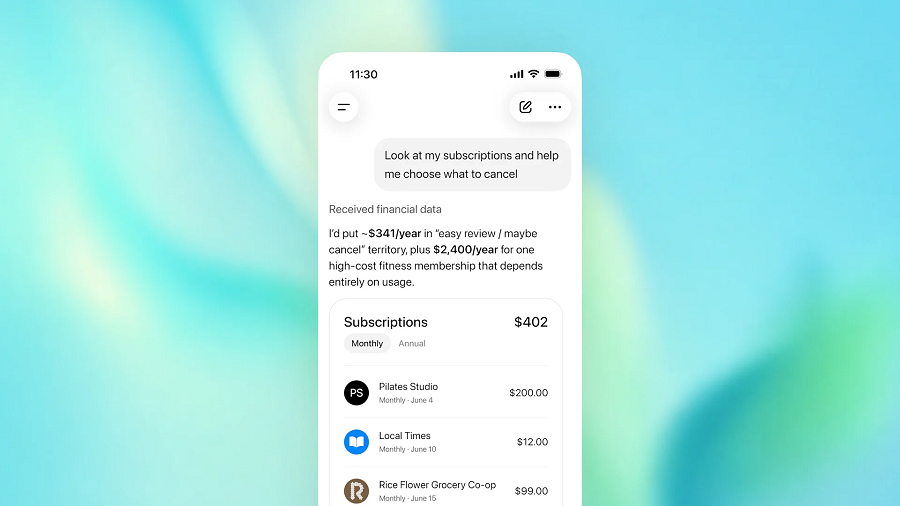
OpenAI has recently introduced personal finance capabilities to ChatGPT Pro, its premium subscription tier. Currently in a limited preview for U.S. users, these features aim to help with budgeting, investment insights, and financial planning. The company is gathering feedback to refine the tools before a wider launch. Below, we answer key questions about this development.
What Personal Finance Features Are Being Added to ChatGPT Pro?
The new features focus on assisting users with personal finance tasks such as budgeting, expense tracking, and investment analysis. While specific details remain scarce, the tools leverage ChatGPT's conversational AI to provide tailored advice, generate financial reports, and answer queries about market trends. OpenAI aims to make financial management more accessible through natural language interactions, though the preview is limited to ensure quality and safety.
Who Can Access the Preview and Why Is It Limited?
Initially, only a select group of U.S.-based ChatGPT Pro subscribers can test the features. OpenAI chose a limited rollout to collect real-world feedback and identify potential issues, such as inaccuracies in financial advice or compliance concerns. This cautious approach allows the company to refine the tools before a broader release, ensuring they meet both user needs and regulatory standards.
What Is ChatGPT Pro and How Does It Compare to Other Tiers?
ChatGPT Pro is OpenAI's most expensive consumer subscription, offering enhanced capabilities like priority access, faster response times, and advanced features such as extended context windows and file uploads. Priced at $200 per month, it targets power users, professionals, and businesses. The addition of personal finance tools further differentiates it from lower-cost tiers like ChatGPT Plus ($20/month) and the free version.

How Will OpenAI Use Feedback to Improve These Features?
During the preview, OpenAI will analyze user interactions, error reports, and suggestions to identify strengths and weaknesses. The feedback loop helps improve accuracy, user experience, and safety, especially for sensitive financial advice. OpenAI may also adjust the feature set—adding or removing capabilities—based on tester input. This iterative process is typical for new AI features before they are scaled to millions of users.
When Can We Expect the Features to Be Widely Available?
There is no confirmed timeline for a full launch. OpenAI states that broader accessibility will follow once the preview concludes and the features are refined. Historically, such previews last weeks to months, depending on the complexity of improvements needed. Users should watch for official announcements, as the company may also expand availability to other regions and subscription tiers.
Are There Any Risks or Limitations with These Finance Tools?
AI-generated financial advice carries risks, including potential inaccuracies, biases, or lack of real-time market data. OpenAI's preview allows them to test and mitigate these issues. Users are advised to treat the outputs as informational, not as a substitute for professional financial advisors. The limited preview ensures critical oversight before the tools handle wider audience needs.
Related Articles
- OpenAI Deploys GPT-5.5 on Azure: Enterprise AI Agents Get a Major Upgrade
- Ubuntu's AI Transformation: What to Expect in 2026
- MIT’s SEAL Framework Marks a Milestone in Self-Improving AI Development
- Self-Hosting LLMs: The Real Bottleneck Isn’t the GPU, Developer Discovers
- Breaking the AI Cost Barrier: How Gemini 3.5 Flash Transforms Enterprise Economics
- 8 Key Insights When Comparing AI Infographic Tools: Claude, NotebookLM, and ChatGPT
- OpenAI’s Future at Stake: Inside the Musk-Altman Courtroom Clash
- Non-Deterministic AI Agents Force Software Testing Revolution, Experts Warn