How the Trump Family Trust Invested in Crypto Stocks During Q1 2026
In a financial disclosure filed with the US Office of Government Ethics, the Trump Family Trust revealed a series of stock purchases during the first quarter of 2026 that included several companies tied to the cryptocurrency sector. The filing, which covered over 3,600 transactions worth between $220 million and $750 million, showed targeted investments in firms like Coinbase, MARA Holdings, and Strategy, alongside major positions in tech giants. These moves align with the Trump administration's increasingly favorable stance on digital assets, but have also sparked fresh ethics questions given the president's role. Below, we break down the key details from the filing.
What did the Trump Family Trust invest in during Q1 2026?
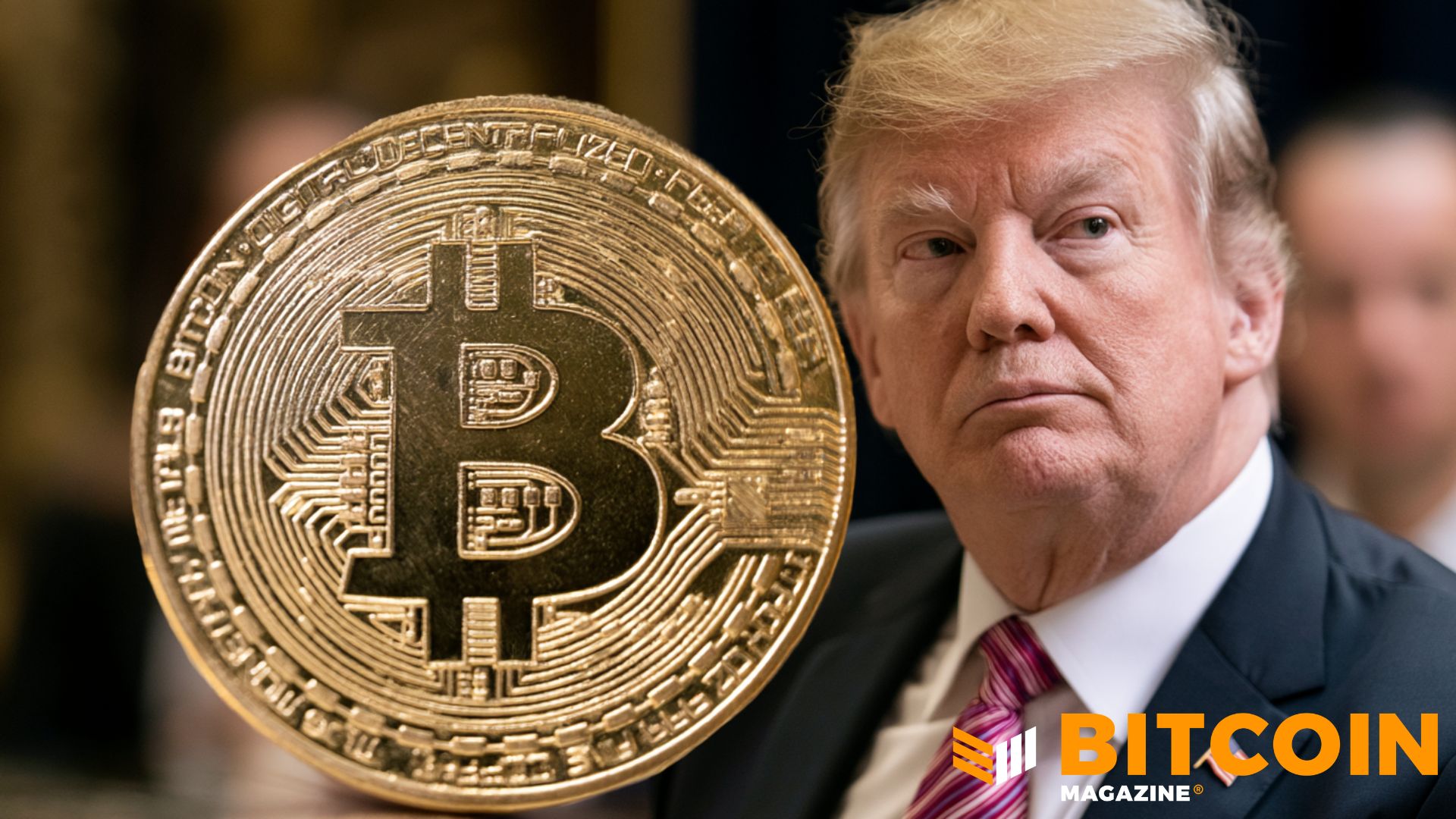
The trust disclosed more than 3,600 transactions conducted between January and March 2026, with an aggregate value ranging from $220 million to $750 million. The portfolio was heavily weighted toward large-cap technology firms like Nvidia, Microsoft, Apple, Amazon, and Boeing, as well as banks and index funds. However, a notable subset of the trades targeted the cryptocurrency space. Specifically, the trust made nine separate purchases of Coinbase stock, the largest US-based crypto exchange, with the biggest buy on February 10 valued between $100,001 and $250,000. It also acquired shares of MARA Holdings, a major Bitcoin mining company, and Strategy (formerly MicroStrategy), which holds a substantial Bitcoin treasury. These crypto-related investments, while a small portion of the overall portfolio, drew attention due to their direct link to digital assets and the president's influence on crypto policy.
How much was the total value of transactions and what types of stocks were involved?
The filing, submitted via two Form 278-T reports, indicates total transaction values between $220 million and $750 million. This broad range reflects how the disclosure reports ranges rather than exact amounts. Most of the activity centered on large-cap technology stocks, with individual trades reaching up to $5 million in some cases. Following a market rebound after a March 2026 selloff tied to geopolitical tensions, the portfolio likely saw strong gains across many holdings. The trust also held positions in fintech firms like Robinhood, SoFi Technologies, and Block, which have connections to digital assets through trading platforms, payments, or blockchain initiatives. The crypto-related trades represented only a fraction of the total, but they were significant for their policy implications.
What specific crypto-linked stocks were purchased?
The filing listed several direct crypto plays. Coinbase saw nine purchases, with the largest on February 10 valued at $100,001–$250,000. Coinbase is the dominant US exchange for both retail and institutional trading. The trust also made two smaller purchases of MARA Holdings, one of the largest publicly traded Bitcoin miners. Additionally, there were eight transactions in Strategy (formerly MicroStrategy), which holds a massive Bitcoin treasury, making its stock price closely tied to Bitcoin's performance. The Strategy trades included both buys and sells, with the largest purchase between $50,001 and $100,000, and a January sale up to $50,000. Beyond these, positions in Robinhood, SoFi Technologies, and Block further exposed the trust to crypto and fintech trends, as these companies offer trading platforms and blockchain-based services.
Were there any sales or active management shown?
Yes, the filing revealed active management rather than a passive buy-and-hold strategy. For Strategy, the trust executed both purchases and sales of Class A shares in eight separate transactions. The largest buy was between $50,001 and $100,000, while a January sale reached up to $50,000. This mix suggests that the trust was actively managing its crypto exposure, possibly taking profits or rebalancing. Similarly, the nine Coinbase purchases were all buys, indicating accumulation. The overall portfolio included large caps where trades up to $5 million occurred, showing a dynamic approach likely overseen by external brokers and the president's sons. The documents do not state whether Trump directed any trades, but ethics rules do not bar a sitting president from holding or trading stocks, only requiring full disclosure.
How do these investments relate to ethics and the political context?
The crypto stock purchases come as the Trump administration pushes a more supportive regulatory stance on digital assets. The disclosure was filed just as the Senate Banking Committee advanced the Digital Asset Market Clarity Act in a 15–9 vote, with bipartisan support. This bill aims to provide a comprehensive regulatory framework for crypto markets. However, the Trump family's direct investments in crypto-linked companies have raised ethics concerns, especially given that the president could influence policies affecting those very firms. Senator Elizabeth Warren and other Democrats criticized the potential conflict of interest, citing consumer protection and illicit finance risks. The trust is managed by Trump’s sons and external brokers, but the optics of a sitting president profiting from a sector he can shape remain contentious. The filing does not prove any impropriety but highlights the intersection of personal finances and public policy.
What was the broader portfolio composition?
Beyond crypto, the Trump Family Trust held substantial positions in major technology and industrial stocks. The largest individual transactions reached up to $5 million in companies like Nvidia, Microsoft, Apple, Amazon, and Boeing. These holdings reflect a traditional growth-oriented portfolio. The filing also included index funds and bank stocks. Notably, the market rebounded after a March 2026 selloff driven by geopolitical tensions, meaning many of these positions likely appreciated. Crypto-related stocks were a small slice of the whole, but their presence underscores the trust's willingness to take on sector-specific risk. The filing remains silent on whether Trump personally approved any trades, but the assets are managed by his sons and professional advisors, consistent with usual ethics practices for presidential families.
Related Articles
- Ageism at Work: Understanding Why Employers Push Older Workers Toward Retirement
- Mastering Token Efficiency in GitHub Agentic Workflows: A Practical Optimization Guide
- Cloudflare Deploys Post-Quantum Encryption for IPsec Tunnels to Thwart 'Harvest Now, Decrypt Later' Attacks
- How to Adjust Your Crate's Docs.rs Build Targets After the 2026 Default Change
- DTCC Tokenized Securities Pilot: Key Questions and Answers
- Professional Athletes Unions Urge CFTC to Ban 'Under' Bets on Player Performance
- Build Your Own AI: Hands-On Workshop Demystifies Large Language Models by Coding Every Component from Scratch
- Coinbase Slashes 14% of Staff, Embraces AI as Operational Blueprint