OpenAI Weighs Legal Action Against Apple Over Disappointing ChatGPT Integration Revenue
Introduction
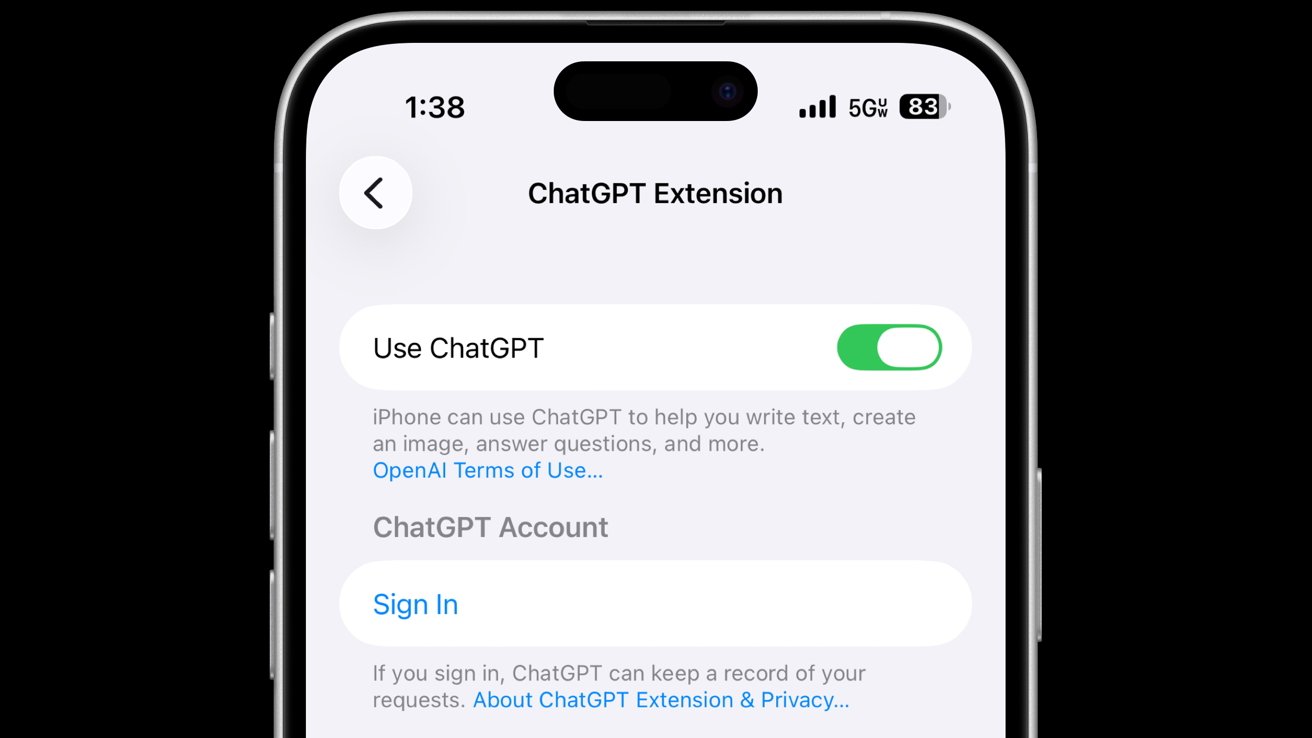
The high-profile partnership between OpenAI and Apple, announced with much fanfare, has hit a rocky patch. According to a report from Bloomberg on May 14, OpenAI is exploring legal action against Apple because the integration of ChatGPT into Apple’s ecosystem has not translated into the financial windfall the AI company anticipated. The core issue: users are leveraging the free ChatGPT features without converting to paid subscriptions at the expected rate. This development has prompted OpenAI to consider options that could include sending Apple a formal breach-of-contract notice.
The Grand Vision: OpenAI’s Revenue Expectations
When the deal was struck, OpenAI executives—including CEO Sam Altman—envisioned a symbiotic relationship that would funnel hundreds of millions of Apple device users directly into ChatGPT’s subscription funnel. The expectation was that deeper integration across iOS, iPadOS, and macOS would drive “large” subscription growth, potentially yielding billions of dollars annually. Apple’s vast user base, with over a billion active iPhones alone, represented a tantalizing opportunity for OpenAI to convert free users into paying subscribers.
However, reality proved different. Users did what they wanted with the ChatGPT integration—using the free tier for basic inquiries and not signing up for paid accounts. OpenAI’s leadership now believes the partnership has been “financially disappointing and far more limited than anticipated.” The AI firm reportedly feels that the integration lacked the depth needed to compel users to upgrade to premium features.
Apple’s Strategic Priorities
From Apple’s perspective, the partnership served a different purpose. At the time of the agreement, Apple was still developing its own AI capabilities, including major upgrades to Siri and its broader Apple Intelligence initiative. By partnering with OpenAI, Apple gained a recognizable and credible AI partner to fill the gap while its homegrown solutions matured. For Apple, the priority was not necessarily maximizing subscription revenue for OpenAI, but rather providing a competent AI assistant to keep users within its ecosystem.
This divergence in objectives has become the crux of the tension. Apple likely viewed the ChatGPT integration as a temporary or complementary feature, while OpenAI counted on it as a primary growth driver.
The Legal Path: Exploring a Breach-of-Contract Claim
OpenAI has already engaged outside legal counsel to assess its options. The most aggressive step under consideration is sending Apple a breach-of-contract notice. A key question will be whether the original agreement included explicit performance guarantees or minimum conversion targets from Apple’s ecosystem. If OpenAI can demonstrate that Apple failed to promote ChatGPT subscriptions adequately or limited the integration’s scope, a legal claim may have merit.
However, legal experts note that such disputes are rarely straightforward. Technology partnerships often include broad language about “best efforts” rather than hard revenue pledges. Additionally, Apple’s contractual obligations likely centered on providing access to its APIs and user base, not on guaranteeing specific subscription numbers.

Potential Outcomes
- Negotiated settlement: The two companies could renegotiate terms, perhaps adjusting revenue-sharing or integration depth to better align incentives.
- Arbitration or litigation: If talks fail, OpenAI could pursue arbitration or court action, but this would be a protracted and public battle.
- Partnership dissolution: In a worst-case scenario, the deal might be terminated, leaving both parties to seek alternative partners—Apple’s own AI or Google’s Gemini, for instance.
What This Means for Users and the Industry
For everyday users, the dispute could have tangible consequences. If the partnership sours, future iPhone and Mac updates might reduce ChatGPT integration depth. Apple could accelerate its own Apple Intelligence features or pivot to another AI provider. Conversely, OpenAI might tighten access to its free tier on Apple devices to encourage upgrades, potentially annoying users who have grown accustomed to easy access.
Broader industry observers view this clash as a cautionary tale for AI companies striking exclusive deals with hardware giants. The power imbalance is real: Apple controls the platform and user experience, while AI firms depend on the device maker’s cooperation to reach consumers. Without explicit revenue guarantees, the promise of massive user bases may not translate into profits.
Conclusion
The OpenAI-Apple saga underscores a fundamental truth in tech partnerships: great technology integration does not automatically equal great business. OpenAI’s disappointment highlights the risk of relying on another company’s ecosystem to drive subscriptions. As both parties weigh legal options, the outcome will likely influence how future AI-platform collaborations are structured. For now, ChatGPT remains embedded in Apple’s software, but the financial foundations of the deal are clearly under stress.
For the latest developments, stay tuned to our coverage and discussion forums.
Related Articles
- 10 Crucial Updates on the Apple-OpenAI Deal and Google Gemini's Arrival
- OpenAI Unveils GPT-5-Powered Speech Models for Real-Time Interaction
- Musk Admits xAI Leveraged OpenAI's Technology to Enhance Grok
- Mira Murati’s Thinking Machines Unveils ‘Interaction Models’ for Real-Time AI Collaboration
- OpenAI Issues Strict 'No Fantasy Creatures' Rule for Codex AI Coding Agent
- 7 Key Insights into Small Language Models for Enterprise AI
- 10 Key Insights into Small Language Models for Enterprise AI
- How to Unify Memory Across All Your AI Tools with TypingMind