How to Overcome Common Power Tool Brand Myths for Smarter Purchases
Introduction
Power tools are a deeply personal investment for many DIYers and professionals alike. Brand loyalty, past experiences, and persistent myths often cloud judgment, leading to choices that may not be the best fit for the job or budget. This step-by-step guide will help you cut through the noise, debunk four prevalent myths about power tool brands, and empower you to make informed decisions based on facts rather than folklore. By the end, you'll have a clear, actionable plan to evaluate tools objectively and avoid common pitfalls.
What You Need
- An open mind – Be willing to challenge your own biases and try unfamiliar brands.
- Research tools – Access to the internet, review sites (e.g., ToolGuyd, Pro Tool Reviews), and manufacturer specs.
- Budget awareness – Know your spending limit and the true cost of ownership ( batteries, chargers, accessories).
- A list of your typical tasks – Determine the specific jobs you’ll use the tool for (e.g., drilling, cutting, fastening).
- Time – Allocate at least 30 minutes to compare models and read user feedback.
Step-by-Step Guide to Debunking Power Tool Brand Myths
Step 1: Identify the Myth of “One Brand Is Best for Everything”
Many people believe that a single brand (like DeWalt, Milwaukee, or Makita) produces the best tools across all categories. In reality, each brand excels in different areas. For example, Milwaukee is known for its powerful impact drivers, while Makita often leads in lightweight circular saws. To overcome this myth:
- Research individual tool performance – Look up head-to-head comparisons for the specific tool you need, not just brand reputation.
- Read professional reviews – Sites like Pro Tool Reviews (see Tips) break down torque, runtime, and ergonomics.
- Test in person – Visit a store and handle the tool. Feel the balance, trigger response, and weight.
This step prevents you from buying a mediocre tool just because it has a popular logo on it.
Step 2: Recognize That Price Does Not Equal Quality
The myth that “you get what you pay for” often leads to overspending on premium brands when a mid-tier option would perform just as well for your needs. Many affordable brands, such as Ryobi or Skil, offer excellent value for home use. To counter this myth:
- Compare specs side by side – Look at motor power, torque ratings, and build materials. Often a $100 tool from a lesser-known brand matches a $150 tool from a prestige name.
- Check warranty and customer service – Premium brands often have longer warranties, but many budget brands now offer similar coverage.
- Consider total cost – Add in batteries, charger, and case. A cheaper tool with free batteries might actually be a better deal.
Don’t assume high price means high performance; let the data guide you.
Step 3: Debunk the Myth That Cordless Tools Are Inherently Weaker
Some still believe that corded tools always outperform cordless ones. While older cordless models were underpowered, modern brushless motors and high-capacity lithium-ion batteries have closed the gap. For instance, many cordless drills now deliver the same torque as their corded counterparts. Here’s how to evaluate:
- Look at amp-hour (Ah) and voltage – Higher Ah (e.g., 5.0 Ah vs 2.0 Ah) provides longer runtime, and 18V or 20V systems are now standard for heavy tasks.
- Check brushless motor technology – Brushless motors are more efficient and powerful, often found in both corded and cordless tools.
- Identify your use case – For continuous, all-day use (e.g., framing), corded may still be better. For intermittent jobs or remote locations, cordless wins.
Don’t let nostalgia for cords keep you from the convenience of modern battery platforms.
Step 4: Evaluate the Myth of Battery Platform Loyalty
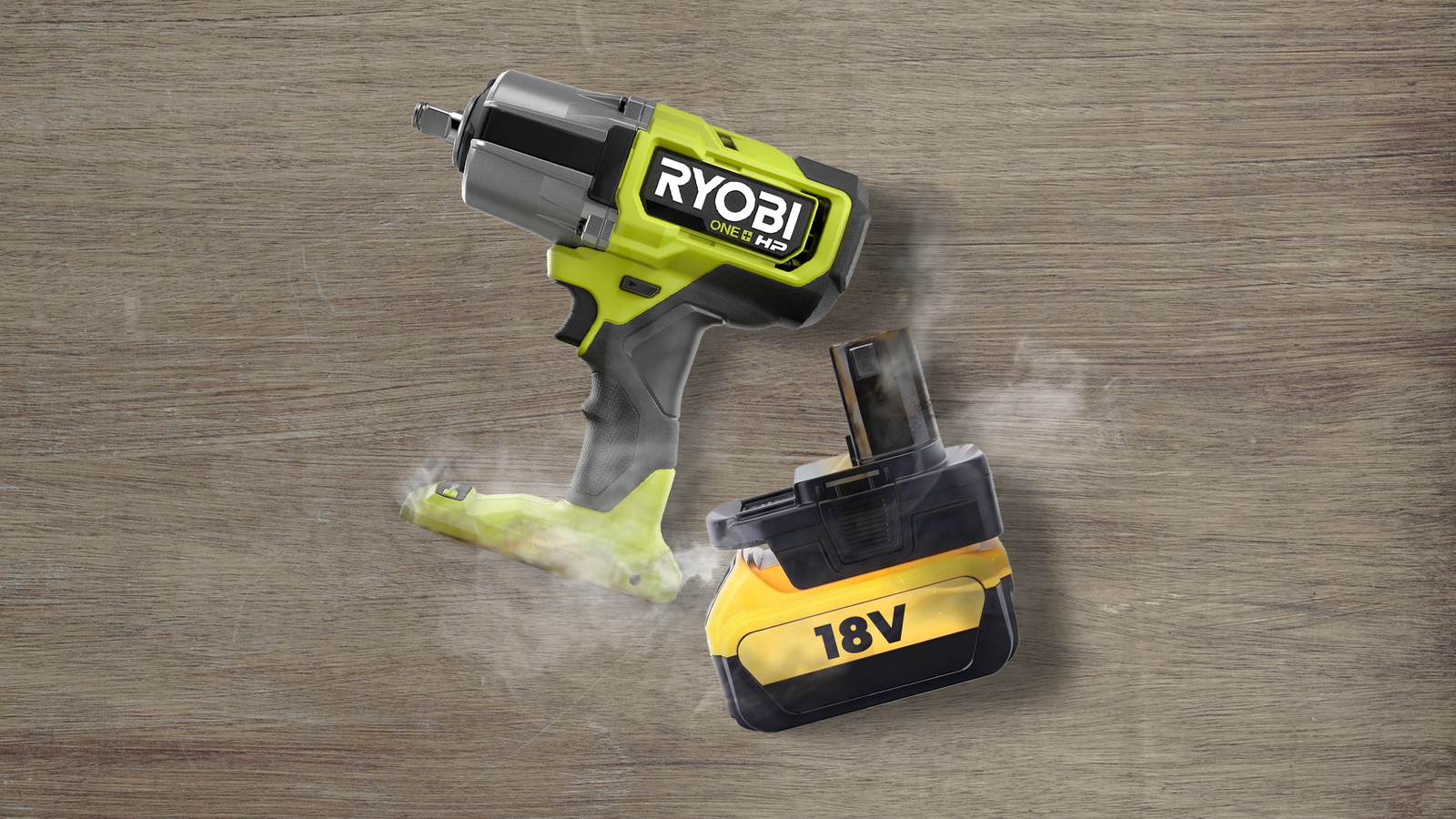
A common belief is that once you buy into one brand’s battery system (e.g., DeWalt 20V), you must stick with that brand forever. This can lock you into mediocre tools. The truth is that many brands offer adapter kits, and some tools are platform-agnostic. To break free:
- Consider cross-platform adapters – Companies like Ryobi and DeWalt now sell adapters that let you use one brand’s battery on another’s tool (though check compatibility).
- Weigh the cost of switching – If you’re unhappy with your current platform, selling your old tools and batteries might be cheaper than staying with them for years.
- Look for shared systems – Some brands (e.g., Milwaukee’s M18 and M12) share chargers; others like Flex offer multi-voltage platforms.
Don’t let sunk cost bias force you into poor performance. A small investment in new batteries can open up a world of better tools.
Tips for Smarter Power Tool Buying
- Always read recent reviews – Tool technology evolves rapidly; a 2020 model may be obsolete compared to a 2024 version.
- Join online communities – Reddit’s r/Tools or Garage Journal forums offer real-world experiences from users who have tested dozens of brands.
- Prioritize ergonomics – A tool that feels uncomfortable will be less effective, regardless of brand reputation.
- Test the battery system – If you already own a cordless platform, see if the tool you want is available on that system before jumping ship.
- Consider refurbished or used tools – Many reputable brands sell factory-reconditioned tools with warranties, saving you up to 40%.
- Don’t ignore lesser-known brands – Companies like Hercules, Bauer, and Skilsaw often provide great value for specific applications.
Related Articles
- Ditch Your Microsoft 365 Subscription: A Step-by-Step Guide to Switching to Free Open-Source Tools
- Critical Role Campaign 4 Debuts Secret Spell Crafted by Ex-D&D Lead Designer
- Cultivating Civility Online: What the Vienna Circle Teaches Us About Community
- Navigating the Age Verification Minefield: A Guide to Understanding California's Social Media Ban Debate
- Seamlessly Combine Packages from Different Linux Distributions with Distrobox
- How to Navigate and Push Back Against California's Controversial Social Media Ban: A Practical Guide
- Enhancing Community Knowledge Discovery: Facebook Groups Search Gets a Major Upgrade
- 5 Ways Meta's New Mexico Lawsuit Could Reshape Social Media Safety