Bistrifluron: A Safer Chemical Breakthrough for Termite Eradication
Introduction
Termites are among the most destructive household pests, causing billions of dollars in structural damage annually. Traditional methods to eliminate them—especially drywood termites—often rely on fumigation, which poses health and environmental risks. However, a new chemical called bistrifluron is emerging as a game-changer. By targeting the termites' molting process, it offers a highly effective way to wipe out colonies while minimizing harm to humans and pets. This article explores how this innovative approach works and why it could revolutionize pest control.
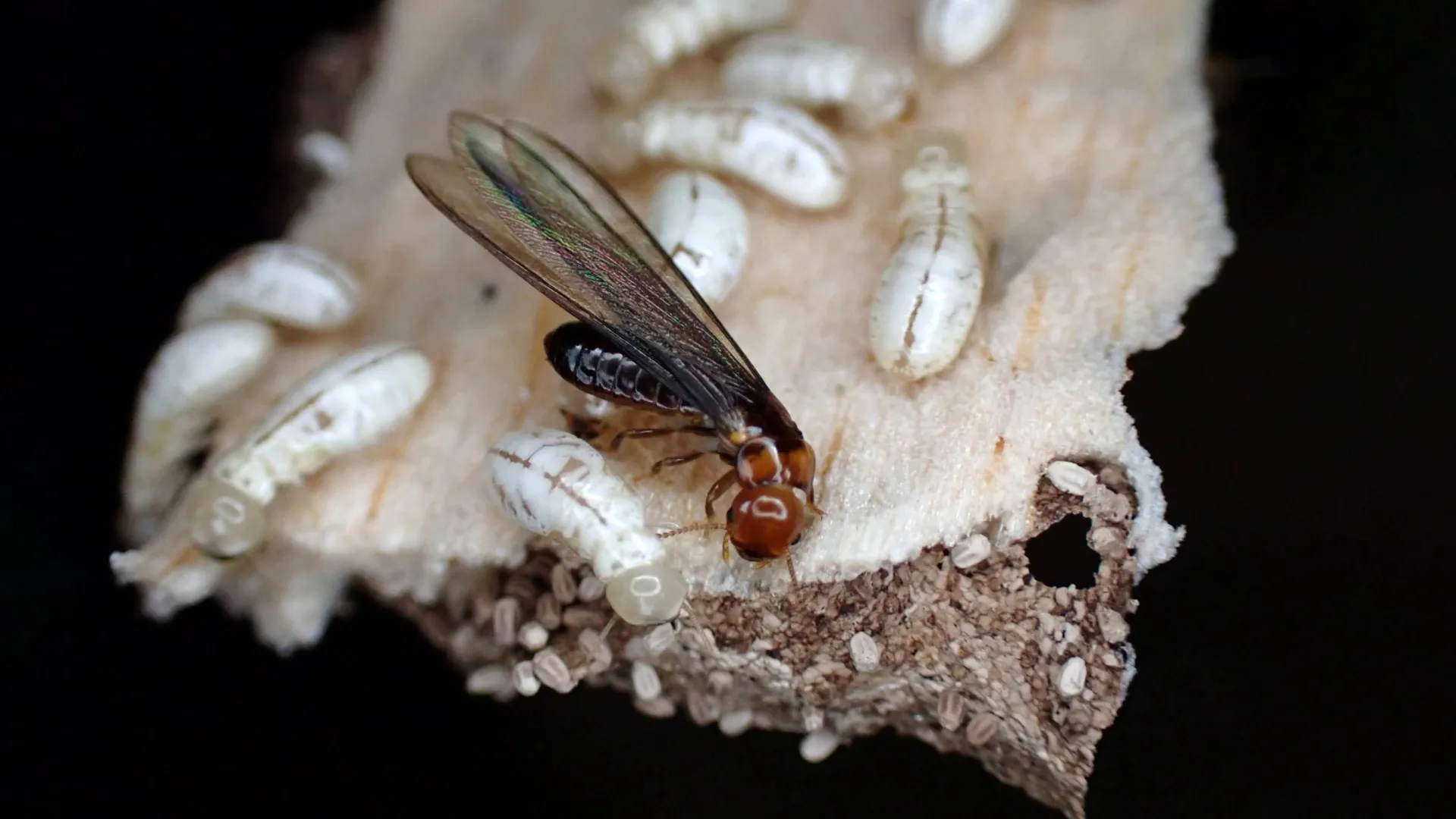
The Problem with Traditional Termite Control
For decades, the go-to solution for drywood termite infestations has been fumigation with toxic gases like sulfuryl fluoride. While effective at killing termites throughout a structure, this method has significant drawbacks:
- Human health risks: Fumigation requires evacuating the building for days, and even then, residual gases can pose dangers if not properly ventilated.
- Environmental concerns: Many fumigants are ozone-depleting or contribute to air pollution.
- Limited long-term protection: Fumigation kills termites present at the time, but offers no residual defense against future colonies that may move in.
These issues have driven researchers to seek safer, more sustainable alternatives—and bistrifluron is a leading candidate.
Health and Environmental Concerns
Sulfuryl fluoride and similar chemicals can cause neurological and respiratory problems in humans if inhaled. Moreover, they indiscriminately kill beneficial insects and can contaminate soil and water. In contrast, bistrifluron’s targeted action drastically reduces such collateral damage.
How Bistrifluron Works
Bistrifluron belongs to a class of compounds called benzoylphenyl ureas, which act as insect growth regulators (IGRs). Unlike traditional nerve poisons, it disrupts the biosynthesis of chitin—a critical component of the exoskeleton. Here’s the breakdown:
Interfering with the Molting Process
All arthropods, including termites, shed their exoskeleton periodically through molting. During this process, they must produce a new, larger exoskeleton. Bistrifluron blocks the formation of this new chitin layer, causing the termite to die when it attempts to molt. Because drywood termites molt repeatedly as they grow, the chemical effectively kills entire colonies over time.
Importantly, the compound is highly selective: it disrupts chitin synthesis only in insects, not in mammals or other animals, making it safer for humans and pets.
Promising Test Results
Field and laboratory studies have demonstrated bistrifluron’s remarkable effectiveness. In controlled trials targeting drywood termite infestations, the chemical achieved an average elimination rate of about 95% of termites within the treated area. This was accomplished without the need for tenting or evacuation.
95% Elimination Rate
The success can be attributed to the way the chemical spreads through the colony. Key findings include:
- Bistrifluron is commonly applied as a bait or foam directly into termite galleries—the tunnels they bore in wood.
- Even a small amount can be transferred among termites via grooming and trophallaxis (food sharing), carrying the compound deep into the colony.
- Because it acts slowly over days to weeks, it avoids triggering alarm behaviors that might cause termites to seal off parts of the nest.
These characteristics make it particularly suited for drywood termites, which live inside the wood and are otherwise difficult to reach.
Advantages Over Fumigation
Compared to traditional fumigation, bistrifluron offers several compelling advantages. The table below summarizes the key differences:
- Safety: No need to vacate the premises; humans and pets can remain in the treated area.
- Environmental impact: Low toxicity to non-target organisms; breaks down relatively quickly in the environment.
- Residual effect: Bistrifluron can remain active in treated wood for months, providing continuous protection against new termite infestations.
- Targeted application: Only infested areas need treatment, reducing the amount of chemical used.
These benefits make it particularly attractive for homeowners and pest control professionals looking for a longer-lasting protection strategy.
Future Implications
As climate change and global trade expand the range of termite species, like the drywood termite now found in non-traditional areas, the need for effective yet safe control methods grows. Bistrifluron represents a shift toward integrated pest management that prioritizes both efficacy and human health.
Researchers are now exploring how to optimize its use—for instance, combining it with other IGRs to overcome potential resistance, or developing spill-proof bait stations for easier application. If further trials confirm its safety and effectiveness on a larger scale, bistrifluron could become a standard tool in the battle against termites.
Conclusion
The discovery of bistrifluron marks a significant advance in termite control. By leveraging the insect's own biology to eliminate 95% of drywood termite colonies, it sidesteps the toxic side effects of fumigation. While no single solution is perfect, this chemical offers a smarter, safer way to protect homes—especially as termites continue to spread into new regions. For homeowners and pest management professionals alike, bistrifluron provides a promising alternative that keeps both property and people safe.
For more information on termite prevention and treatment options, consult a licensed pest control expert or visit the beginning of this article for an overview.
Related Articles
- Automated Failure Attribution in Multi-Agent Systems: A New Benchmark and Methods
- Understanding the Mars Huygens Crater Image from NASA's Psyche Mission: A Technical Guide
- Eco-Friendly Fruit Wash Extends Shelf Life and Eliminates Pesticides
- Preserving Team Bonds: A Guide to Balancing AI Efficiency with Human Connection
- Demystifying Word2vec Learning: From Gradient Flow to PCA
- From Cockpit to Tower: How NASA’s Digital Push Is Transforming Airport Clearances
- How Neglected Subdomain Records Turn Prestigious University Websites into Porn Hubs
- Unlocking the Appalachian Lithium Treasure: A Comprehensive Guide to the Geological Discovery and Its Implications